
Why “Low Impact” Workouts Can Be More Effective After 40
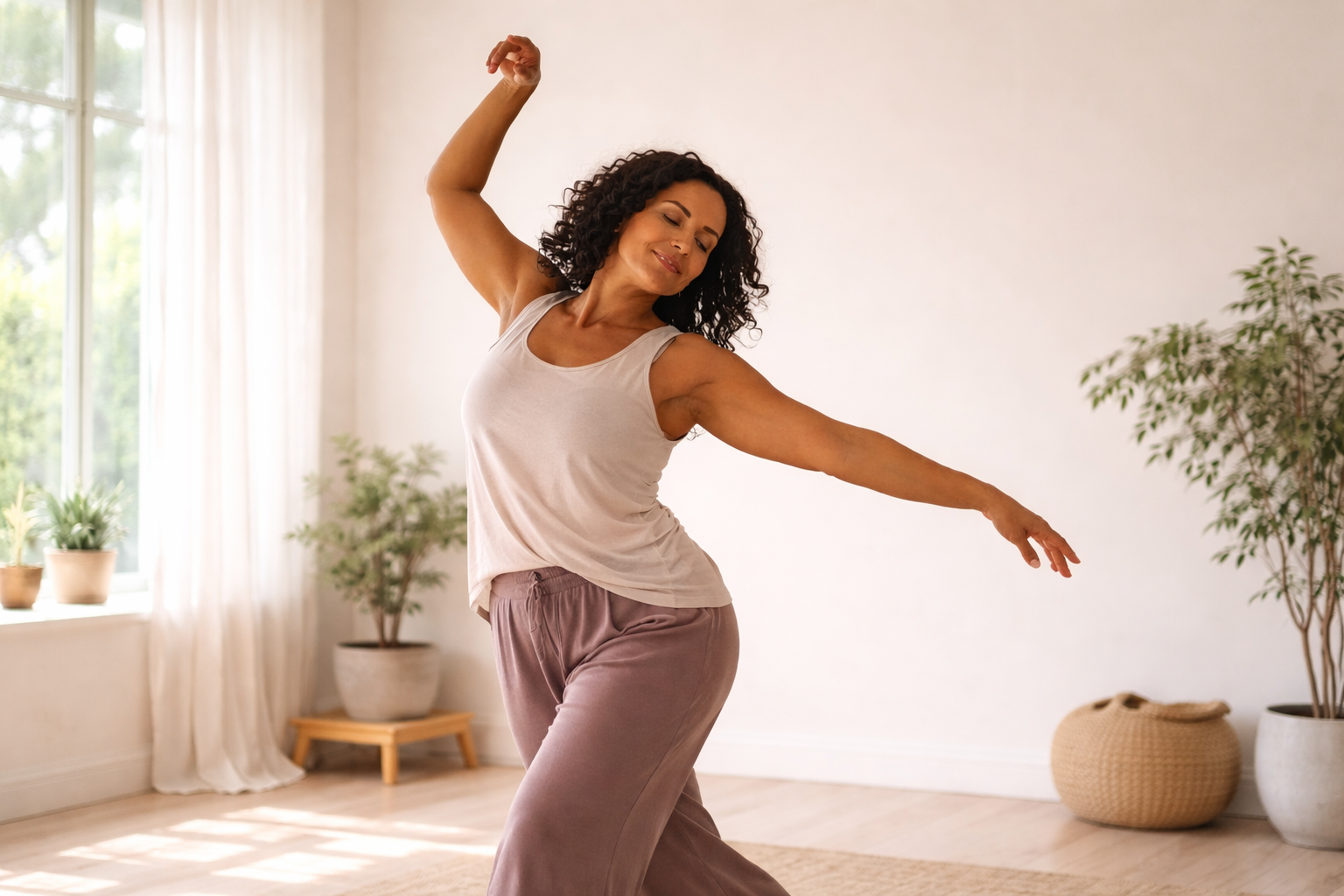
If you’ve ever looked up low impact workouts and quietly thought, “That sounds… gentle. Maybe too gentle,” you’re not alone.
Many women reach their 40s carrying a belief they didn’t choose: that effective fitness has to be intense, punishing, or a little bit painful to work.
So when joints start speaking up — knees, hips, lower back — it can feel like your options shrink. Push harder and risk getting hurt. Or slow down and worry you’re “not doing enough.”
Here’s the part most women don’t hear: if fitness hasn’t felt sustainable, the issue usually isn’t effort. It’s fit.
Low impact doesn’t mean low return. In many cases, especially after 40, it’s the opposite.
By the end of this, you’ll understand why low impact workouts often lead to better results after 40 — and why protecting your joints is one of the most practical ways to build consistency, confidence, and real progress.
If you want a gentler place to start — one that still feels purposeful — the Dance Body Starter Kit is there for you.
It’s designed to help you move with rhythm, not pressure.
Over the years, I’ve watched the same pattern repeat with women who genuinely want to move their bodies — not quit, not give up — but feel stuck between workouts that feel too aggressive and options that don’t feel motivating.
What actually helps is rarely more intensity. It’s choosing movement that fits the body you have now.
What “Low Impact” Actually Means (And What It Doesn’t)
Low impact simply refers to how much force your joints absorb, not how effective the movement is.
It doesn’t mean:
Barely moving
Sitting still
“Easy” in a dismissive way
It does mean:
Less pounding on knees, hips, and ankles
More controlled transitions
Movement that works with your body instead of against it
You can sweat, strengthen, and feel challenged — without repeatedly asking your joints to absorb high shock.
That distinction matters more after 40 than most fitness advice acknowledges.
Why High-Impact Workouts Start to Feel Harder After 40
Many women blame themselves when workouts stop feeling good.
But your body is responding to real changes.
After 40, it’s common to notice:
Slower recovery between workouts
More joint stiffness or inflammation
Old injuries becoming louder
A nervous system that doesn’t bounce back as quickly
High-impact workouts rely heavily on repeated force: jumping, pounding, abrupt stops. Over time, that load adds up.
When recovery can’t keep pace, consistency breaks — not because you’re unmotivated, but because your body is asking for something different.
Consistency Is the Real Driver of Results
This is the part fitness culture often skips.
Results don’t come from the hardest workout you can tolerate once in a while. They come from the movement you can return to — again and again.
Low impact workouts support consistency because they:
Reduce joint irritation
Lower fear of injury
Feel more approachable on low-energy days
Allow you to move without bracing or forcing
When movement feels safer, your body relaxes into it. And when your body feels safe, it’s much easier to keep showing up.
That’s not weakness. That’s biology.

Why Joint-Friendly Movement Builds Confidence
There’s an emotional side to this too.
When workouts repeatedly hurt or leave you sore for days, your body starts to associate exercise with threat. Even subconsciously.
Low impact movement changes that relationship.
It allows you to:
Trust your body again
Move without bracing for pain
Feel capable instead of cautious
That confidence matters. It’s often the missing link between wanting to be consistent and actually being consistent.
Dance-Based, Low Impact Movement Works Differently
Dance — especially when it’s structured for beginners — offers a unique advantage.
It combines:
Rhythmic, repetitive movement (great for joints)
Natural changes in intensity
Full-body engagement without constant impact
A mental focus that makes time pass faster
Instead of forcing effort, you’re following rhythm. Instead of counting reps, you’re responding to music.
That shift alone can make movement feel more doable — and more enjoyable.
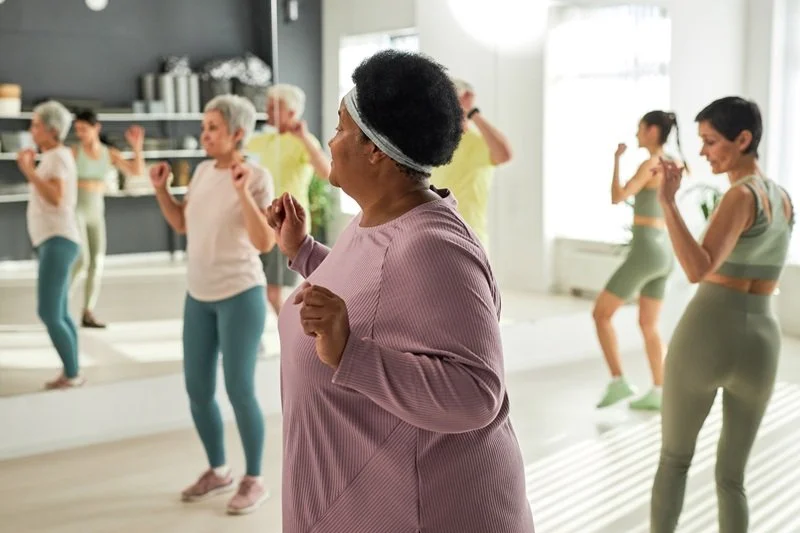
Low Impact Doesn’t Mean You’re Settling
This is important to say clearly.
Choosing low impact movement after 40 is not giving up. It’s choosing longevity.
It’s choosing:
Joints that still feel good next year
A routine you don’t dread
Movement that supports your life instead of disrupting it
Most women don’t need more grit. They need movement that fits their nervous system, their joints, and their actual lives.
This is also why doing this alone can feel harder than it needs to be.
When you’re left to guess what’s “safe enough” or “effective enough,” it’s easy to overdo it — or stop altogether.
The right kind of structure removes that guesswork. It offers guidance without pressure, and options without judgment.
If you’re ready to explore movement that supports your body — without intensity or punishment — the Dance Body Starter Kit is a calm place to begin.
You can move at your own pace, with rhythm and clarity.
