
The Real Reason Dance Workouts Don’t “Work” for Some Women
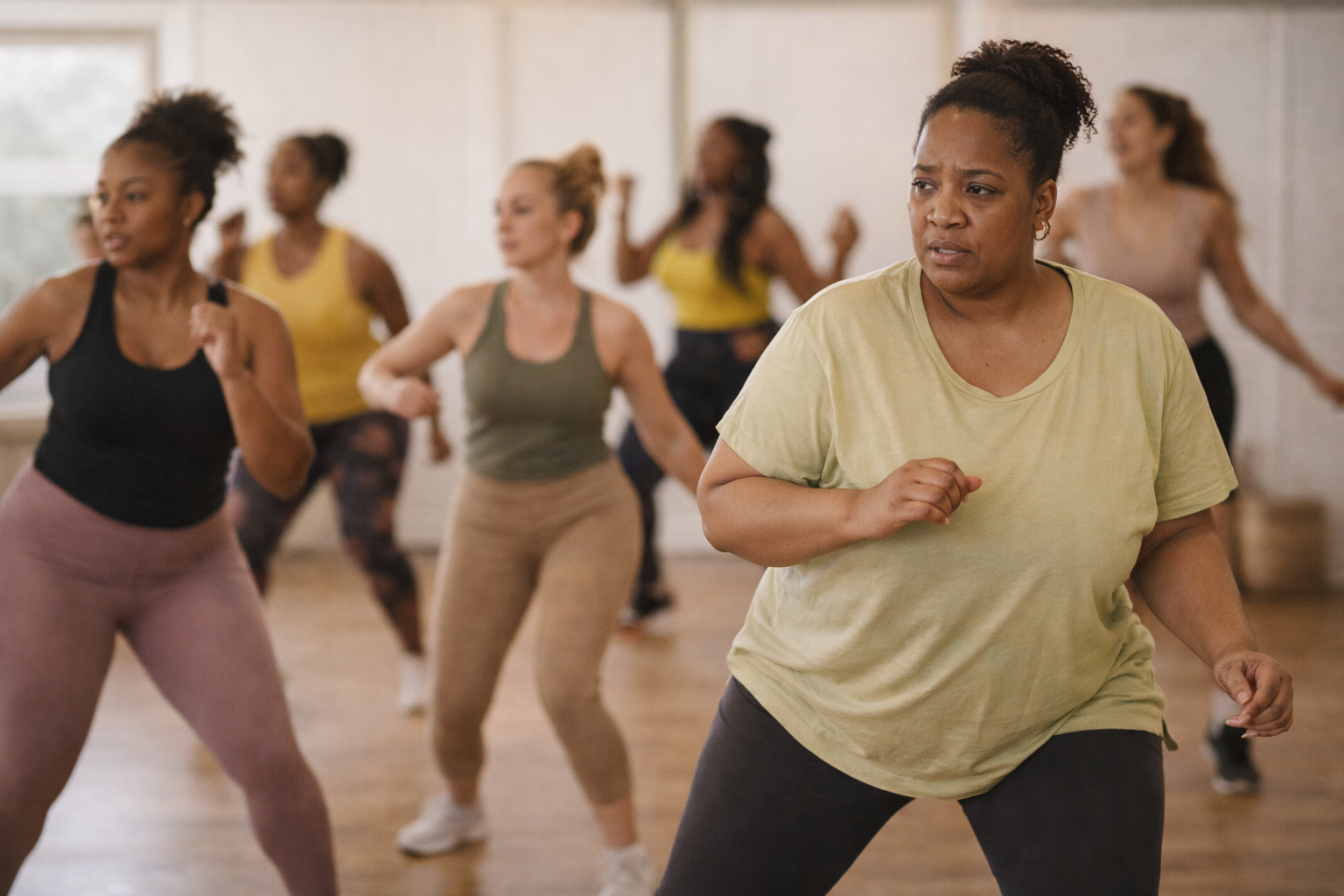
You’ve probably tried a dance workout at some point.
Maybe it felt fun at first. The music carried you. You were moving, sweating, keeping up… or at least trying to.
And then something happened.
Your knees started to feel it.
Or your lower back got tight.
Or you stuck with it for weeks and thought, “This is fun… but is it actually doing anything?”
A lot of women quietly land on the same conclusion:
“Maybe dance workouts just don’t work for me.”
But that’s usually not the full story.
Because in most cases, it’s not dance that isn’t working.
It’s how the dance is being used.
By the end of this, you’ll understand why dance workouts can feel ineffective or even hard on your body — and what actually makes them supportive, sustainable, and worth your time.
If you want a gentler place to start, the Dance Body Starter Kit is there for you.
Why Dance Workouts Sometimes Feel Like They “Don’t Work”
When most people think of dance workouts, they’re really thinking of fast-paced follow-along cardio.
Quick choreography.
Minimal breakdown.
Constant movement.
It looks good. It feels exciting. But underneath that, something important is often missing.
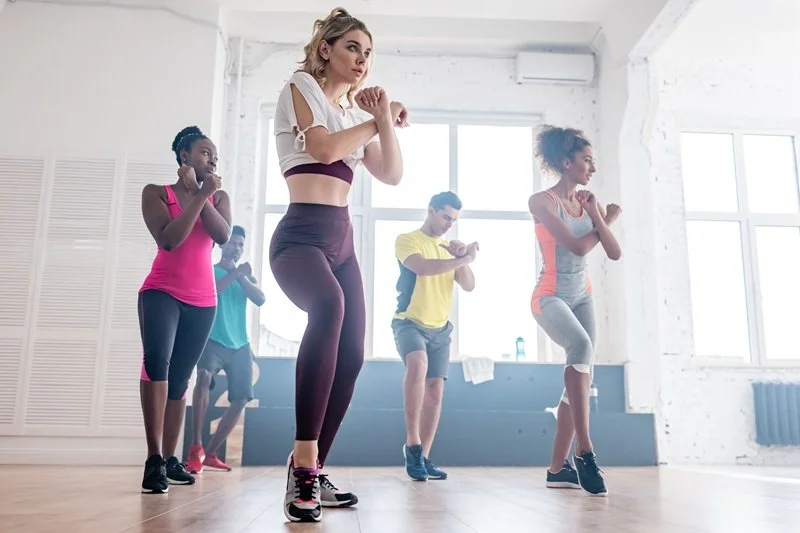
1. There’s No Real Progression
Many dance workouts drop you straight into full choreography.
No buildup.
No layering.
No time to actually learn the movement.
So what happens?
You spend most of the class trying to keep up rather than moving with intention.
Your body is reacting, not understanding.
And when movement stays at that level, it’s hard to:
Build strength
Improve coordination
Feel more confident over time
It just feels like starting over… every single session.
2. Strength Isn’t Built Into the Movement
Dance absolutely can build strength.
But not automatically.
When dance is treated purely as cardio — fast, continuous, high-energy — it often skips the part where your body is actually supported.
That’s when you start to notice:
Knees feeling unstable
Hips doing more work than they should
Lower back tension creeping in
I realized this during a period in my own training when I was moving a lot… but not actually getting stronger.
I could keep up with choreography. I could sweat. I could finish the class.
But certain movements still felt shaky.
That was the moment it clicked:
Movement alone wasn’t the issue.
My body just didn’t have the support it needed yet.
Once I started slowing things down, focusing on how movements were built, and allowing strength to develop alongside rhythm — everything felt different.
More stable.
More controlled.
More mine.
3. The Pace Is Too Fast for Real Learning
This is one of the biggest reasons dance starts to feel frustrating.
If the pace stays high from beginning to end, your body never gets the chance to:
Understand positioning
Adjust safely
Build confidence in the movement
Instead, it becomes a cycle of:
Try → rush → miss → reset → repeat
And over time, that can quietly reinforce the belief:
“I’m just not good at this.”
When in reality, your body just needed a different pace.
Why This Can Start to Affect Your Body
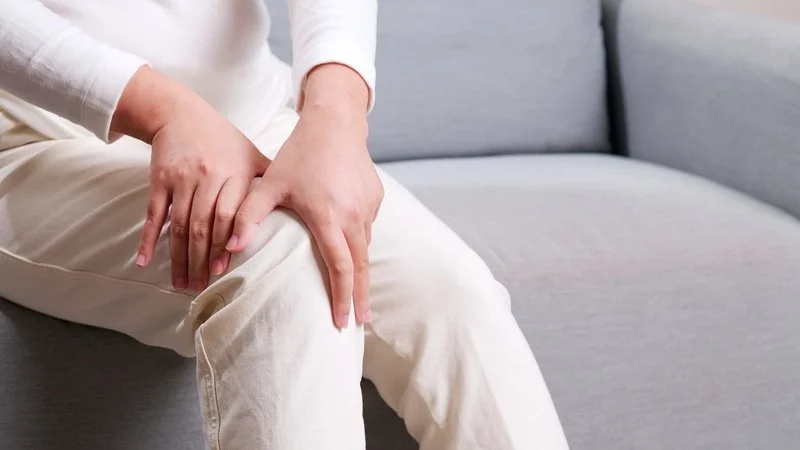
When progression, strength, and pacing are missing, your body starts to compensate.
Not because it’s weak.
Because it’s trying to keep up.
That’s when movement can start to feel like:
Pressure on your joints instead of support
Tension instead of flow
Effort without clarity
This is where the fear can creep in:
“Maybe my body can’t handle this anymore.”
But in many cases, it’s not about what your body can’t do.
It’s about how the movement is being introduced.
What Makes Dance Actually “Work”
Dance becomes effective — and sustainable — when it’s treated as a supported movement practice, not just entertainment.
That shift changes everything.
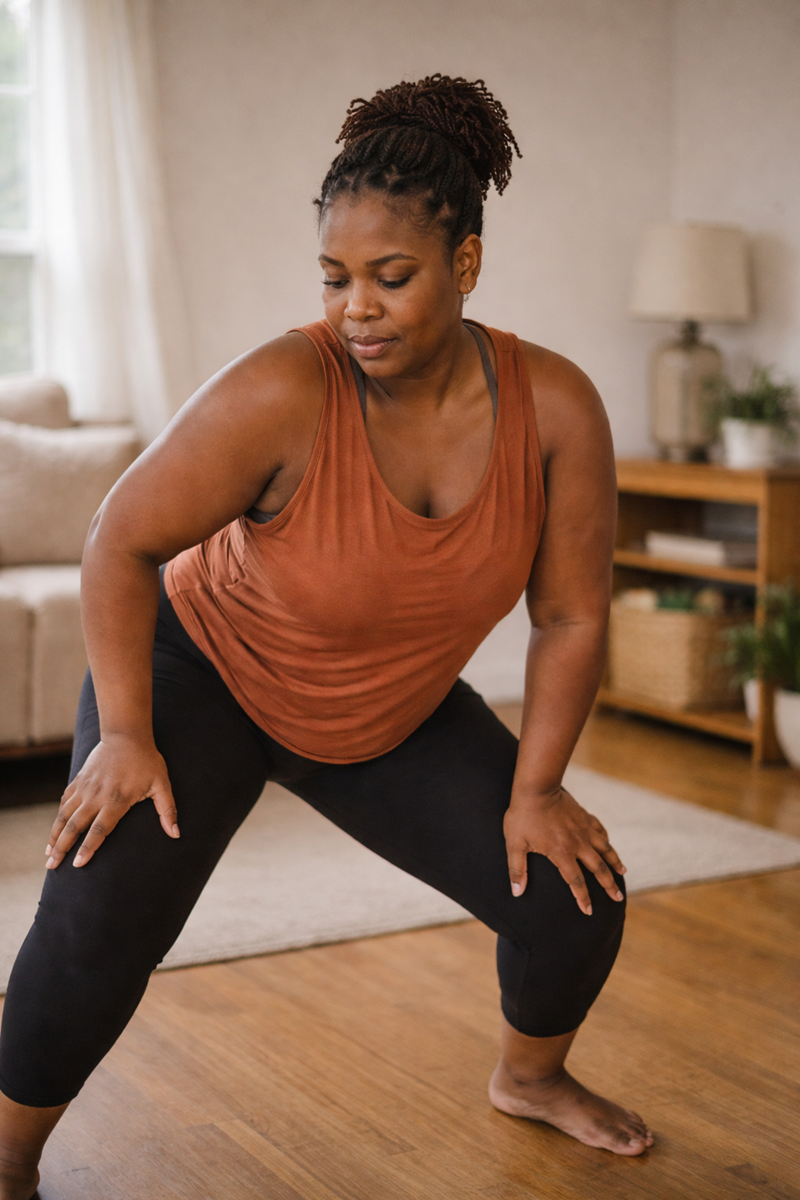
1. Movement Is Built, Not Thrown At You
Instead of jumping straight into full choreography, movement is layered.
You understand:
Where your weight is going
How your hips are moving
What your core is doing
That clarity reduces strain and increases control.
2. Strength Develops Alongside Rhythm
You don’t need separate, intense workouts to support your body.
But your body does need time to:
Stabilize joints
Build control
Adjust to new patterns
When strength is part of the process, movements that once felt uncomfortable start to feel… steady.
3. The Pace Allows You to Stay Connected
When the pace makes sense, something shifts.
You’re not chasing the movement anymore.
You’re actually in it.
That’s where confidence starts to build.
Not because you’re perfect.
Because you understand what your body is doing.
Dance Still Counts — Just Not the Way It’s Usually Taught
There’s a quiet belief a lot of women carry:
“If it’s not intense, it doesn’t count.”
Or:
“If I’m not exhausted, it didn’t work.”
Dance challenges that.
Because when it’s done with structure and support, it builds:
Coordination
Strength
Body awareness
Consistency
Not through pressure.
Through rhythm.
This is also why trying to piece this together alone can feel so confusing.
From the outside, all dance workouts can look similar.
But the way they’re structured — the pacing, the progression, the support — makes a huge difference in how your body responds.
The right kind of structure doesn’t push you harder.
It helps you move in a way your body can actually stay with.
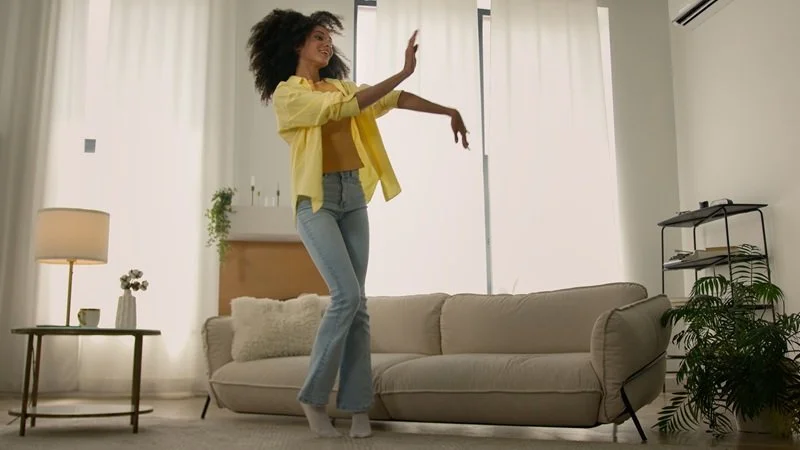
If you’re looking for a place where dance feels more supportive and easier to stay consistent with, the Dance Body Starter Kit is a simple place to begin.
